Burst Pipes
A pipe burst rarely happens without warning. It's almost always preceded by a freeze event, and by the time water is spraying, the priority shifts to shutting off the main valve and getting a plumber out to assess the damage. Edmonton winters put a specific kind of stress on plumbing pipes that warmer climates rarely see. Once temperatures drop well below freezing for an extended stretch, water trapped in an exterior wall, an unheated crawl space, or a hose bib line can freeze solid, and expanding ice can crack copper, PEX, and even some plastic fittings from the inside. The leak usually doesn't show up until the thaw, once the ice softens and water starts moving through a line that's already cracked. Frozen pipe thawing requires careful handling. Applying direct heat with an open flame is a fire risk, and thawing too fast can turn a hairline crack into a full pipe burst before anyone's ready. For pipes that run through consistently cold areas, insulation or self-regulating heat tape wrapped along the line is one of the more effective ways to prevent a repeat freeze once a section has been repaired.
Leak Detection
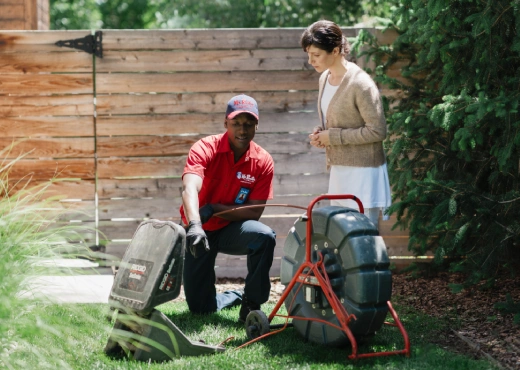
Leaks aren't limited to the pipes homeowners can see. Underground water lines and sewer lines develop cracks and joint failures from ground movement, tree roots, and age, and both call for different repair approaches than an indoor supply line. The plumbing pipe material in the home says a lot about what kind of leak repair it's likely to need. Homes built from the 1950s through the 1960s often still run on galvanized steel supply lines, and the zinc coating that protects the steel wears away from the inside over decades until pinholes or full breaks show up. Copper or galvanized pipes both eventually give homeowners the same warning signs: rusty or discoloured water, reduced pressure, and small leaks that spread over time. Cast iron shows up mostly in drain and sewer lines in older Edmonton homes, and the pipe walls corrode and flake from the inside over 50 to 80 years. A sewer camera inspection is the fastest way to see how much life is left in a cast iron line before deciding between a descale, coating repair, or a full sewer line replacement.
Where trenchless repair applies, pipe lining, pipe bursting, or pipe coating can replace a damaged underground section without digging it all up. For pipes that are more patch than pipe at this point, full replacement of the affected section is usually the more durable call. A leak left alone doesn't just leak water. Damp framing behind a wall or under a cabinet creates the exact conditions mold needs, and a leak running for a few weeks can establish mold behind a finished surface long before anything looks wrong from the front.