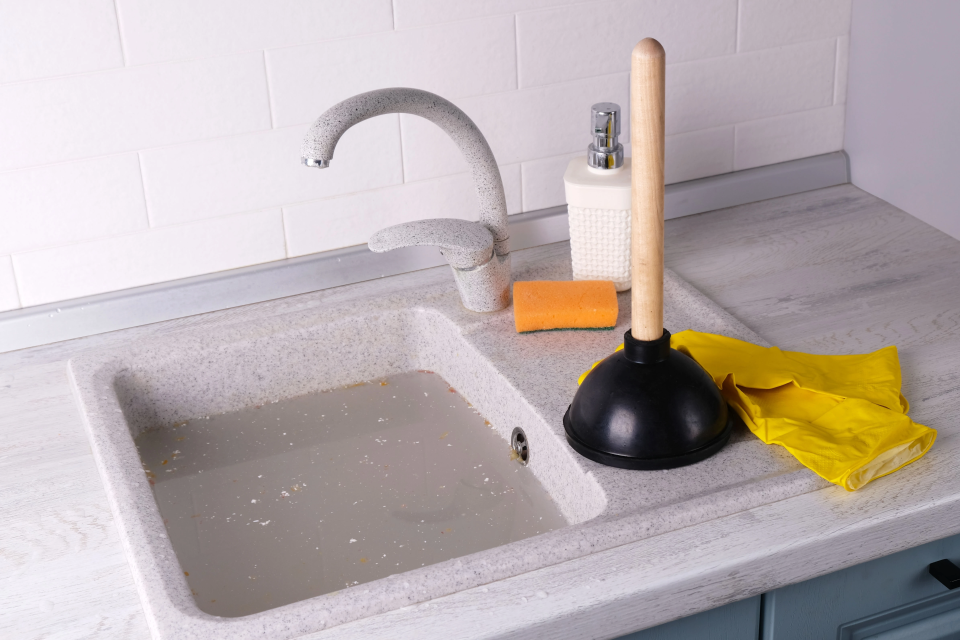
Mr. Rooter Plumbing® outlines the simplest plumbing jobs Canadian homeowners can handle:
|
You’ve finally moved in. Boxes are stacked, the coffee maker’s humming—and then you hear it: the steady drip … drip … drip of a faucet in the kitchen. In the bathroom, the sink drains slowly, and your shower head sprays sideways like it’s auditioning for a water park.
These little surprises are part of homeownership, but they don’t have to be expensive—or intimidating. With a few tools and a little confidence, you can unclog a bathroom sink, fix a running toilet, or replace a shower head on your own.
Before you grab the wrench, though, it’s worth knowing which plumbing jobs Canadian homeowners can legally tackle—and which ones require a licensed professional.
Article contents
- What Plumbing Work Can You Legally Do Yourself in Canada?
- Basic Plumbing Tools Every DIY Homeowner Needs
- 5 Simple Plumbing Repairs Any Homeowner Can Do
- When to Call a Plumber Instead of DIY
- Plumbing Maintenance Tips Every Homeowner Should Know
- Professional Plumbing Services when DIY Isn’t Enough
- FAQs: Simple Plumbing Jobs Any Homeowner Can Do
What Plumbing Work Can You Legally Do Yourself in Canada?
Across Canada, homeowners can handle a few small plumbing tasks on their own, such as tightening a loose faucet, cleaning out a slow drain, or swapping a faucet aerator. Those quick fixes don’t require a permit or licence.
But once you start getting into anything that changes how water flows in or out of your home, like replacing pipes, rerouting lines, or installing new fixtures, that’s where the law steps in. Canadian plumbing codes require a licensed professional for any work that touches your home’s water supply or drainage system.
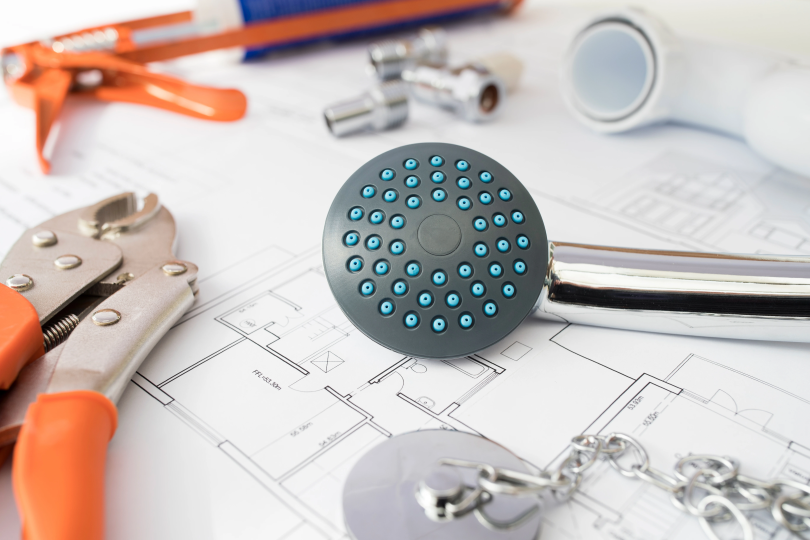
While Health Canada sets national standards, each province has its own plumbing rules. For example, Ontario and British Columbia both have specific permit requirements for fixture replacements. In most cases, simple cosmetic changes (like switching out a faucet handle or upgrading your shower head) are fair game. But for bigger jobs, like installing a new toilet or moving a drain line, contact a licensed professional.
If you’re ever unsure, check with your provincial plumbing authority or call a trusted plumber for guidance. These rules aren’t just red tape — they’re designed to protect your home from leaks, contamination, and costly code violations. And when it comes to your home's plumbing system, it’s much better to be safe than sorry.
Understanding how your home plumbing system works can also help you spot what’s safe to DIY — and what’s better left to the pros. Learn more in our article explaining how home plumbing works.
Once you know what’s allowed, the real fun begins: rolling up your sleeves for quick, confidence-building fixes.
Basic Plumbing Tools Every DIY Homeowner Needs
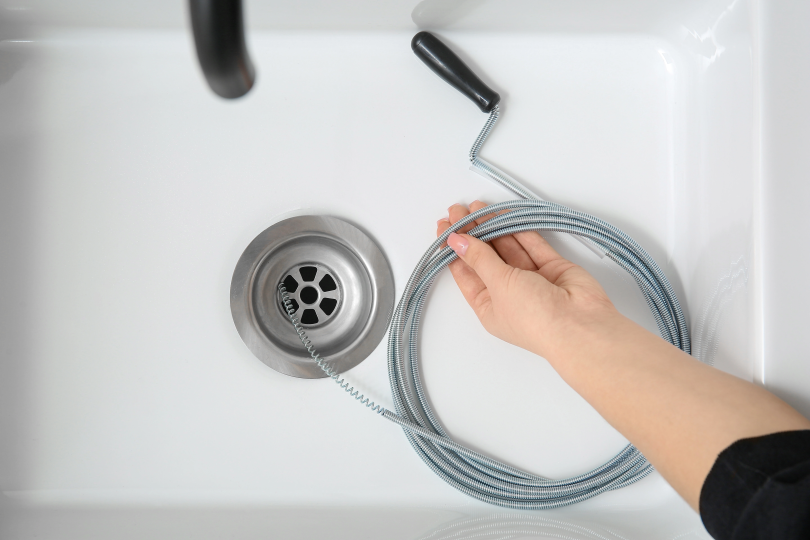
Before tackling your first plumbing repair, let’s talk tools. The good news? You don’t need a pro’s arsenal to fix most household plumbing issues. Just a few reliable basics will help you tackle several issues.
| Tools for everyday fixes | Tools for trickier jobs |
|---|---|
| Plunger | Pipe wrench |
| Adjustable wrench | Drain snake |
| Screwdriver set | Replacement parts kit |
| Plumber's tape | Foam pipe insulation |
| Bucket and old towels | Headlamp or flashlight |
Safety first
For every plumbing job, protecting yourself and your home is the top priority. Keep these essentials on hand to ensure you’re ready for any DIY fix.
- Rubber gloves
- Safety glasses
- Drop cloth or plastic sheeting
|
Pro tip from Mr. Rooter: Keep a dedicated “plumbing toolkit” in a small bin or toolbox. Store it under your bathroom sink, in the garage, or near your water heater. When a leak starts unexpectedly, you'll be glad everything's in one place and ready to go. |
5 Simple Plumbing Repairs Every Homeowner Can Do
Now that your toolkit’s ready, it’s time to put it to work. These five simple plumbing repairs are beginner-friendly, require just a few tools, and can make a big difference in how efficiently your home runs day to day. Each repair takes less than an hour, helps save water, and boosts your confidence as a new homeowner (and budding DIY plumber).
If you’re tackling one of these jobs for the first time, give yourself an extra 10 to 15 minutes to read instructions, identify parts, and get comfortable with the process — that’s completely normal and part of learning.
1. How to unclog a bathroom sink
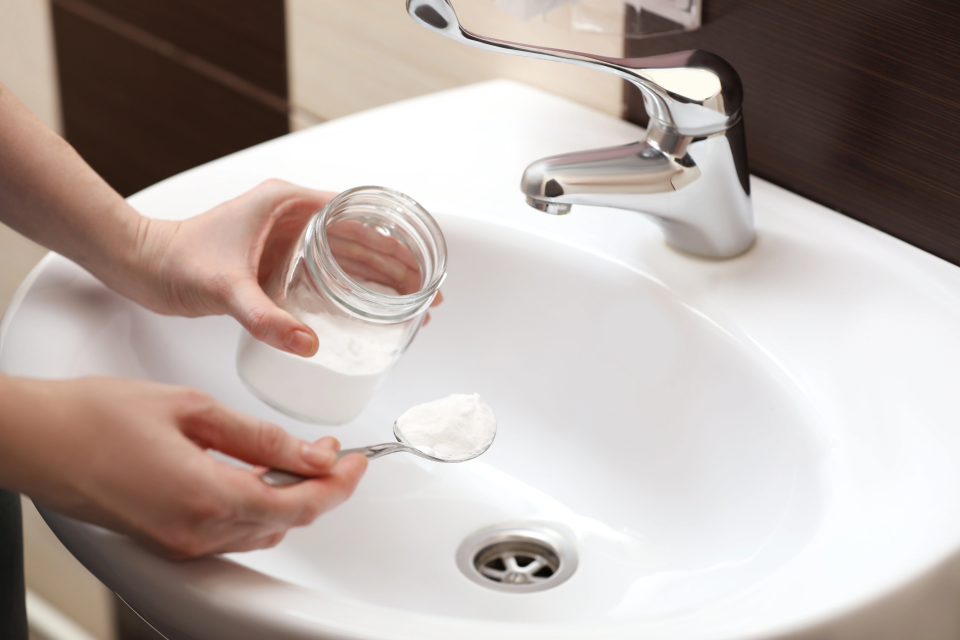
A clogged bathroom sink is one of the most common plumbing issues Canadian homeowners face. Most clogs happen when hair, soap scum, and toothpaste residue collect in the drain trap. Luckily, the fix only takes 15 to 30 minutes with a plunger, baking soda, and white vinegar — no harsh chemicals required.
For a visual guide, see How to Use a Drain Snake to safely clear stubborn clogs without damaging your pipes.
- Fill the sink halfway with water.
- Place a plunger over the drain and pump firmly.
- Pour 120 ml (½ cup) of baking soda, followed by 120 ml (½ cup) vinegar; wait 15 minutes.
- Rinse with hot water.
- If the clog remains, remove and clean the P-trap with a bucket underneath.
Why it matters: Keeps water flowing freely and prevents odours.
Preventative tip: Use a drain screen to catch hair and soap buildup.
2. How to fix a dripping faucet
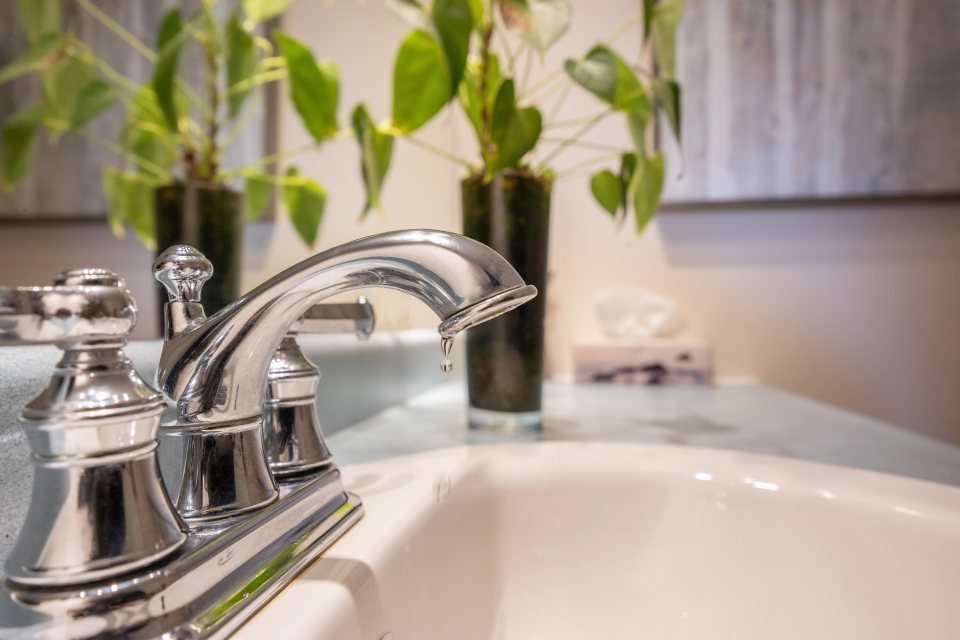
A dripping faucet wastes thousands of litres each year and is often caused by a worn washer, damaged O-ring, or faulty cartridge. The repair takes 20 to 45 minutes and can be done with a screwdriver and replacement parts from your local hardware store.
- Turn off the water under the sink.
- Remove the handle using a screwdriver or Allen key.
- Replace the washer, cartridge, or O-ring.
- Reassemble and tighten gently.
- Turn on the tap to test for leaks.
Why it matters: Even a small drip adds up quickly; fixing it saves water, reduces bills, and prevents mineral stains and corrosion.
Preventative tip: Clean faucet aerators twice yearly to prevent mineral buildup. If the leak persists, schedule a leak detection service with your local Mr. Rooter Plumbing team.
3. How to fix a running toilet
A running toilet can waste hundreds of litres of water daily — up to 200,000 litres per year. It’s typically caused by a worn flapper valve or misadjusted float mechanism. The fix is simple and costs only a few dollars in replacement parts.
- Turn off the water supply valve.
- Remove the tank lid and inspect the flapper.
- Replace if worn or warped.
- Adjust the float until the water stops below the overflow tube.
- Add food colouring to the tank; if colour appears in the bowl, replace the flapper again.
Why it matters: A quiet, properly working toilet saves significant water and prevents costly overflows or hidden leaks.
Pro tip: If you notice corrosion or buildup around the fill valve, it's time for professional service.
4. How to replace a shower head
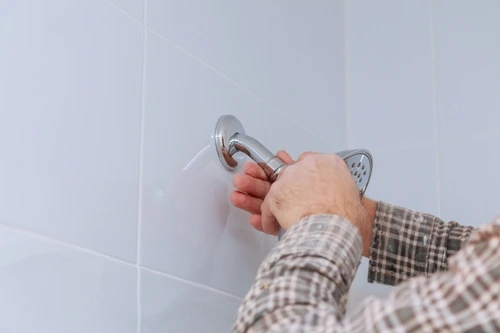
Replacing a shower head is one of the quickest plumbing upgrades you can make — usually in 10 to 15 minutes. Modern, water-efficient showerheads can reduce water use by more than 20% compared to older models while maintaining strong pressure and comfort.
- Turn off the water at the fixture valve.
- Unscrew the old head counterclockwise.
- Clean threads and wrap plumber’s tape clockwise.
- Hand-tighten the new head.
- Turn on the water and check for leaks.
Why it matters: Upgrading to a water-efficient shower head saves water, improves flow, and enhances comfort. It's an easy way to boost your bathroom's performance without major renovations.
Pro tip: Consider upgrading during your next bathroom remodel to boost comfort, style, and long-term water savings.
5. How to insulate hot-water pipes
Insulating hot-water pipes is an essential energy-saving step for Canadian homeowners. It reduces heat loss, prevents pipe freezes during cold snaps, and helps maintain consistent water temperatures. The job takes about 30 to 60 minutes with foam sleeves and tape.
- Measure exposed pipes in basements or crawl spaces.
- Cut foam sleeves or wrap insulation to fit.
- Slide insulation over pipes and seal seams with tape.
- Inspect annually for wear or gaps.
Why it matters: Insulating pipes improves energy efficiency, reduces heating costs, and protects your plumbing from cold-weather damage.
Pro tip: Combine pipe insulation with your yearly plumbing inspection to keep your system running efficiently.
When to Call a Plumber
Even the most capable homeowners have limits, and knowing when to call in a professional can save you a lot of time, money, and stress. Some plumbing jobs are perfect for DIY confidence, but others demand specialized tools, safety precautions, or technical knowledge that make professional help the smarter, safer choice. Here’s how to tell the difference.
Plumbing jobs you shouldn't DIY
Attempting complex plumbing work without proper training and equipment can cause leaks, structural damage, or expensive emergencies — costing far more than a professional repair would have.
Avoid tackling any plumbing work that involves:
- Cutting, soldering, or rerouting pipes
- In-wall or gas-connected plumbing
- Projects requiring permits or inspections
- Warranty-sensitive systems like water heaters
- Sewer or main water line issues
Quick reference: DIY vs. professional plumbing jobs
| Task | Difficulty | Time to complete | Tools needed | Call a professional |
|---|---|---|---|---|
| Unclog bathroom sink | Beginner | 15-30 min | Plunger, bucket, wrench | If multiple drains clog simultaneously |
| Fix dripping faucet | Beginner | 20-45 min | Wrench, O-ring, screwdriver | If the leak persists after replacement |
| Fix running toilet | Beginner | 15-30 min | Flapper, screwdriver | If the fill valve or pipe is corroded |
| Replace shower head | Beginner | 10-15 min | Plumber’s tape, wrench | If water pressure remains low |
| Insulate hot-water pipes | Moderate | 30–60 min | Foam sleeves, tape | If pipes are damaged or leaking |
Why Choose Mr. Rooter Plumbing for Your Home

When the job requires more than a plunger or wrench, you deserve a plumbing team that does it right—the first time.
At Mr. Rooter Plumbing, our licensed professionals are trusted nationwide for dependable service, transparent pricing, and code-compliant repairs. From dripping faucets to full-system inspections, we combine expertise with the expert care you deserve.
Every job we do is backed by the Neighbourly Done Right Promise® to ensure that the work will be done right, on time, and to your complete satisfaction.
When you’re ready to stop worrying about plumbing and start enjoying your new home, contact your local Mr. Rooter Plumbing team for friendly service, honest advice, and repairs that last.
This article is intended for general guidance only and is not applicable to every situation. You are responsible for determining the proper course of action for your property and situation. Mr. Rooter is not responsible for any damages that occur as a result of advice and/or guidance derived from its blog content. Some Mr. Rooter services vary by location. Contact your local Mr. Rooter franchise for more information.
FAQs About Simple Plumbing Jobs
Mr. Rooter Plumbing is a one-stop solution for all your plumbing service needs. Whether you need a pipe repaired, clogs cleared, or drains cleaned, you can count on our experienced team to get the job done right! Our commitment to exceptional service includes answering your questions. Here are answers to some of the most common plumbing questions new homeowners ask.
Want to dive deeper into everyday plumbing know-how? Check out common plumbing questions for quick answers that homeowners across Canada ask most often.