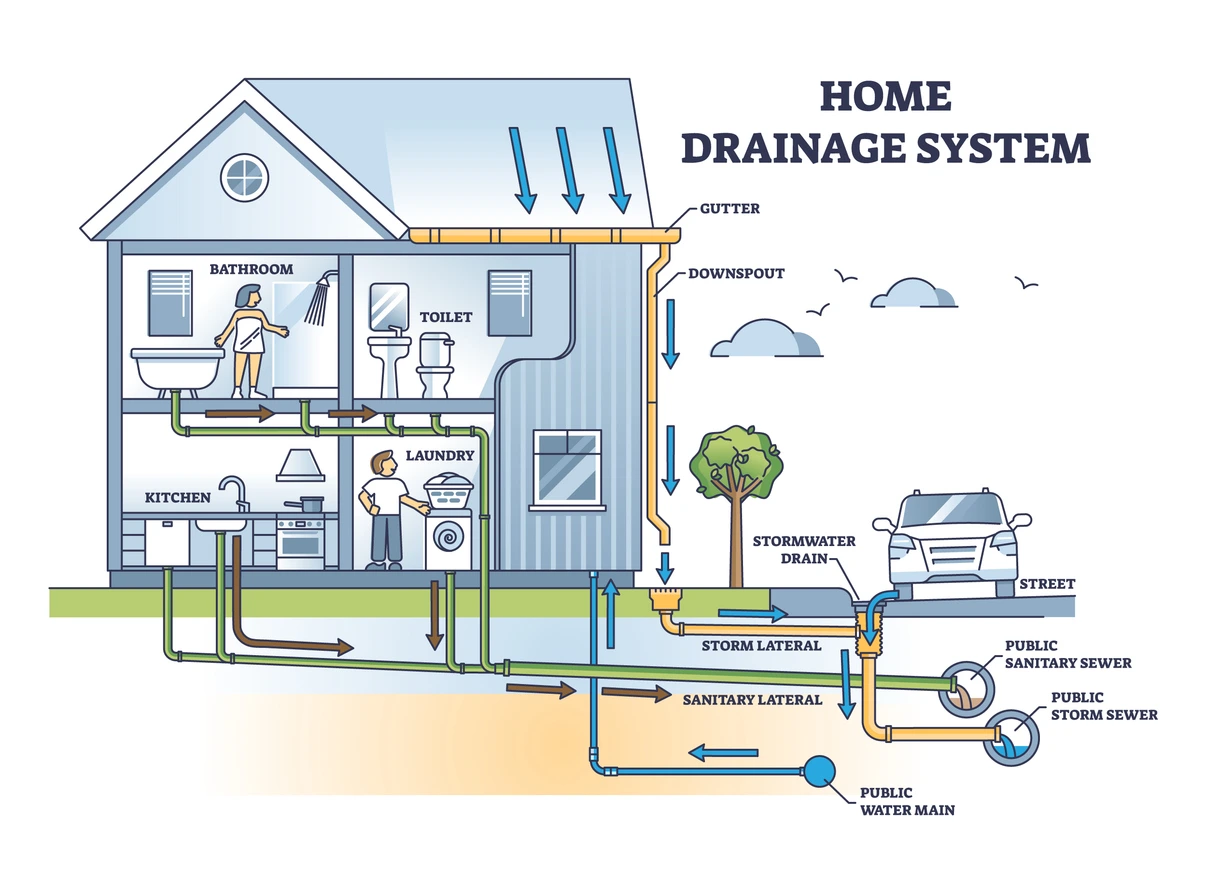
Mr. Rooter Plumbing® explains that sewer backups occur when wastewater cannot leave your home due to blockages, damaged pipes, or overloaded municipal systems. The most common causes in Canadian homes include:
|
Slow drains, gurgling sounds, and the occasional odd smell can be easy to ignore, but they often indicate the early stages of a blockage in your home sewer system. Fortunately, sewer backups rarely come out of nowhere. They follow patterns and typically provide plenty of warning if you know what to look for. Most sewer backups are preventable when you spot those early signals.
This guide covers the most common causes of sewer backups in Canadian homes, the early warning signs that matter most, and simple steps you can take to avoid bigger problems down the road.
Article Contents
- What Causes Most Sewer Backups?
- The Most Common Causes of Sewer Backups
- What Are the Early Signs of a Sewer Backup?
- What to Do If You're Experiencing a Backup Right Now
- How to Prevent Sewer Backups
- When to Call a Professional for Sewer Backups
- FAQs About Sewer Backups
What Causes Most Sewer Backups?
A sewer backup occurs when wastewater cannot move through the sewer line. This typically happens because of a blockage, damage to the line, or increased pressure on the system during heavy rain or snowmelt.
Homes across Canada face additional challenges, including:
- Older sewer materials, such as clay or cast iron piping
- Root intrusion from mature trees near sewer laterals
- Freeze–thaw cycles that shift and stress underground pipes
- Storm-heavy seasons and rapid snowmelt
- Basements that rely heavily on sump pumps to manage groundwater
As we look at these causes more closely, you'll notice they tend to show up in consistent patterns. Below are the main culprits homeowners should know.
The Most Common Causes of Sewer Backups
From what goes down the drain to what’s happening under your lawn, these are the issues plumbing experts see most often.
Household clogs: Grease, wipes, and debris
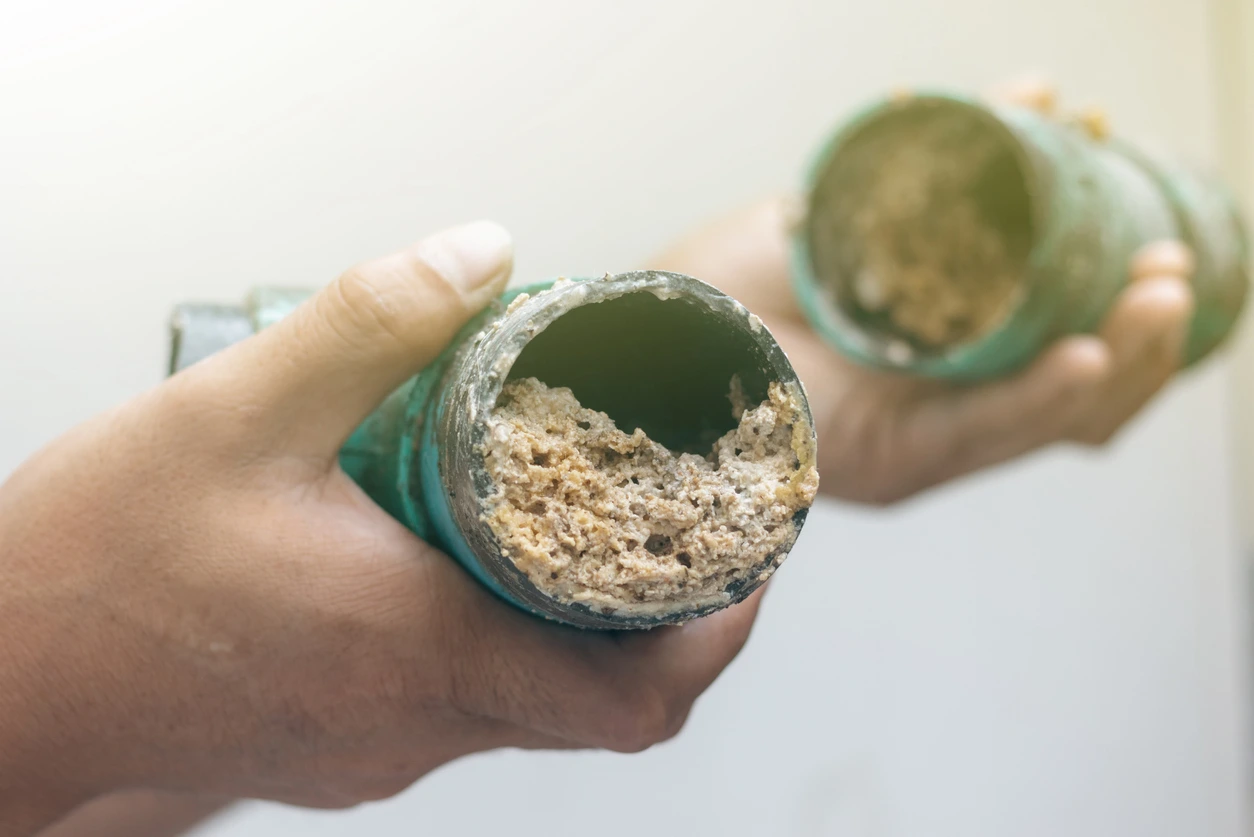
Small daily habits can add up to trouble inside your drains. Grease, paper towels, wipes (even “flushable” ones), and hygiene products do not break down inside sewer lines. Grease hardens as it cools, and disposable products cling to buildup. The resulting clogged sewer line can even affect more than one room once it reaches the main line.
Signs to watch for:
- Slow drainage across multiple fixtures
- Toilets bubbling
- Water returning in tubs or showers
- Sewage odours that keep coming back
Why this matters: Once the main line is clogged, the issue will usually keep returning until the blockage is professionally cleared.
Tree roots in sewer line
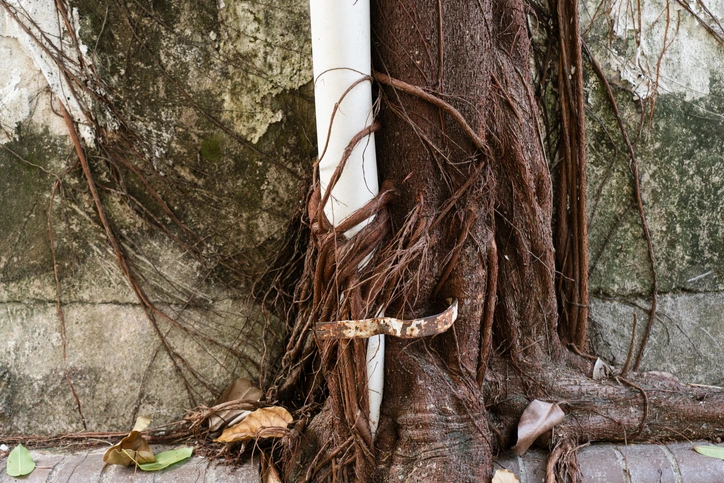
Roots naturally follow water, and aging sewer pipes provide a steady source. Many Canadian homes built before the 1980s use clay or cast-iron pipes, which develop small gaps over time. Tree roots slip through these openings, expand, and trap debris until the pipe becomes obstructed.
Signs to watch for:
- Recurring clogs
- Gurgling toilets
- Damp or unusually green patches of lawn
- Backups that return shortly after clearing
Why this matters: Tree roots in sewer line joints will keep growing, so waiting typically leads to more serious damage. A professional sewer line camera inspection can identify the exact location and extent of the problem without requiring full excavation.
Aging, cracked, or broken sewer lines
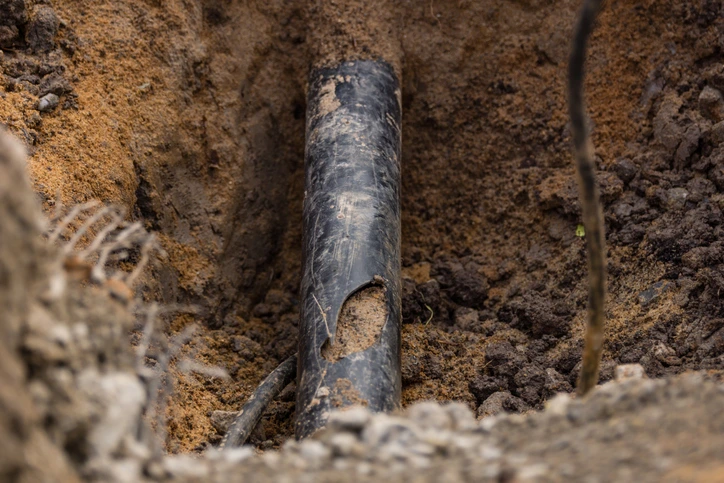
Pipes deteriorate with time, and weakened sections often cause repeated backups.
Clay and cast-iron sewer lines can crack, collapse, or corrode after decades underground. Soil movement and freeze–thaw cycles accelerate this wear. Even a small structural issue can slow wastewater flow and eventually cause backups.
Signs to watch for:
- Persistent sewage odours
- Damp or sunken lawn patches
- Repeated backups affecting multiple fixtures
- Water pooling around floor drains
Why this matters: Structural issues don’t resolve on their own! Early detection is the key to avoiding more costly repairs.
Heavy rain, snowmelt, and municipal overload
During intense rainfall or rapid snowmelt, municipal sewer systems can reach capacity. When the main lines fill faster than they can drain, the increased pressure can cause wastewater to move backward toward private properties. This often contributes to a flood sewer backup, even if the home’s private sewer line is clear.
Signs to watch for:
- Backups only during storms
- Water pooling around basement drains
- Gurgling during or immediately after rainfall
Why this matters: You can’t control the municipal main, but you can strengthen your home’s defenses. A sump pump and proper backwater protection can help manage some of the risk of flood sewer backup. To support your home during storm season, consider professional sump pump services.
Sump pump failure during storms
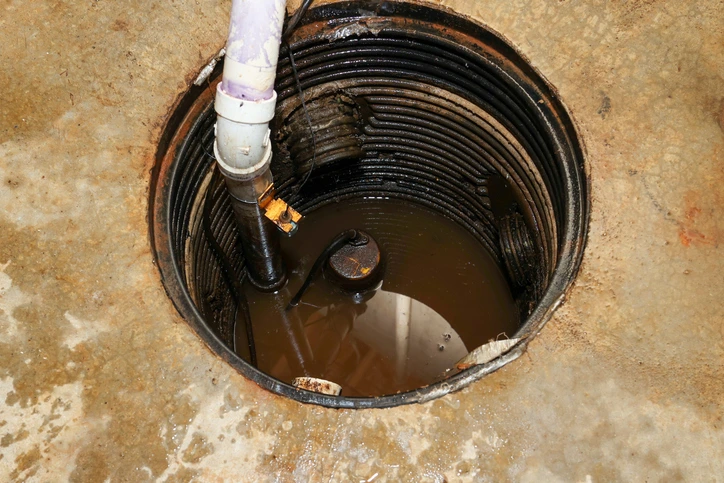
A sump pump not working doesn't cause a sewer backup on its own, but it allows groundwater to rise around your foundation. When this coincides with municipal sewer overload or an existing blockage, the increased pressure can significantly raise the risk of wastewater entering your basement.
Signs to watch for:
- Sump pump not turning on
- Pump running but not removing water
- Rising water in the sump pit during rain
- Dampness or seepage around the foundation
Why this matters: A functioning sump pump is a key safeguard during storm seasons. If you rely on a sump pump during storms, consider a backup sump pump installation for extra peace of mind.
What Are the Early Signs of a Sewer Backup?
Most sewer issues start small, and catching them early can make a big difference.
These signs may indicate the early stages of a sewer line backup:
- Multiple drains slowing down at once: Suggests a main-line blockage.
- Toilet bubbling: A clue that air is trapped and wastewater is struggling to move.
- Sewage odours inside or outside: A sign that flow is restricted underground.
- Water around floor drains: Even small amounts can indicate a blockage.
- Fixtures affecting each other: If, for example, running the washing machine causes a tub backup, the sewer line is likely obstructed.
Recognizing these symptoms early helps prevent larger, more costly damage.
Common causes of sewer backups at a glance
Use this chart as a fast way to match what you’re seeing at home with the likely underlying issue.
| Cause | What Homeowners Notice | When to Call a Professional |
| Household clogs | Slow drains, bubbling toilets, and local backups | If more than one fixture is affected or clogs keep returning |
| Tree roots in the sewer line | Gurgling, recurring clogs, or soggy lawn spots | If you notice patterns or backups with no clear source |
| Aging or broken sewer line | Odours, repeated backups, and damp or sunken areas | If problems come back even after clearing a clog |
| Heavy rainfall/snowmelt | Water at floor drains; backups during storms | When backups happen during or shortly after wet weather |
| Sump pump not working | Rising water; the pump is silent in a storm | If the pump won’t run or the basement starts to flood |
What to Do If You're Experiencing a Backup Right Now
If wastewater is actively backing up into your home, stay calm and avoid using any water in the house. Here’s what to do:
- Stop using water immediately (don’t flush toilets, run faucets, or use appliances).
- Avoid contact with standing water and keep children and pets away from affected areas.
- If you know where your main water shut-off is and can access it safely, turn off the water supply to limit additional wastewater.
- Call your local Mr. Rooter professional for emergency service.
- Document the situation with photos for insurance purposes.
- If safe to do so, move valuables away from affected areas.
Sewer backups require immediate professional attention. Attempting any DIY fixes or using chemical drain cleaners during an active sewer backup can make the situation worse and increase health risks.
How to Prevent Sewer Backups
Needless to say, you can’t control every factor around your home, but you can reduce your risk of experiencing a backup with a few simple steps.
- Watch what goes down the drain. Dispose of grease and cooking fats in a container or the garbage, not the sink.
- Flush toilet paper only. Avoid flushing wipes, paper towels, and hygiene products, even if the packaging says “flushable.”
- Maintain your sump pump. Test sump pumps regularly, especially before storm seasons. Schedule service or consider installing a backup if your pump is noisy or unreliable.
- Ask about backwater protection. In some areas, a professionally installed backwater valve can help reduce the risk of a flood sewer backup.
- Schedule periodic inspections. Occasional professional drain inspections can catch issues early, especially in older homes or properties with large trees.
When in doubt, the best option is to consult a qualified plumbing professional who can assess the state of your home’s underground plumbing.
When to Call a Professional for Sewer Backups
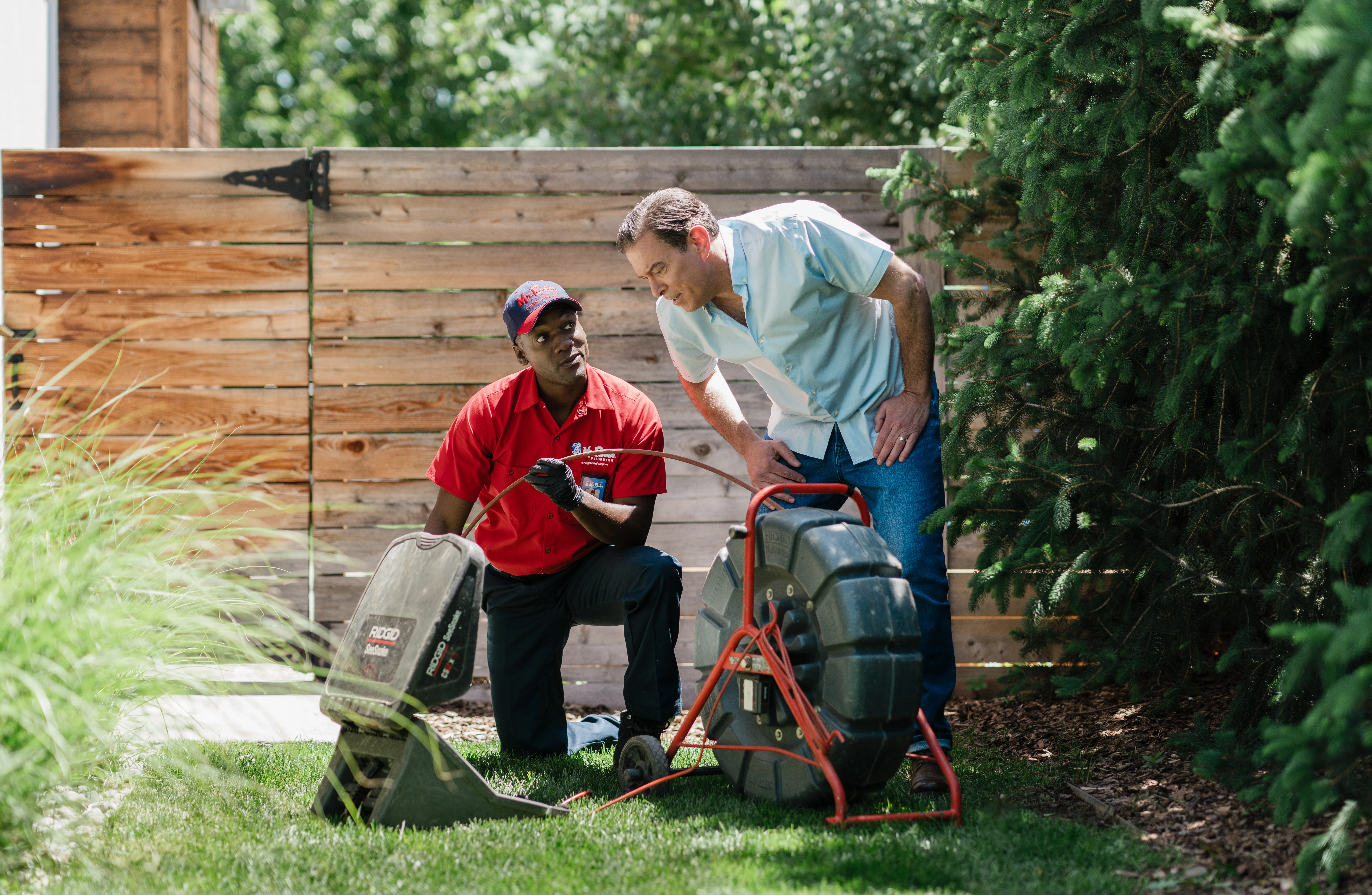
A sewer line blockage should never be ignored. If you notice sewage, recurring backups, or multiple drains slowing down at the same time, call your local Mr. Rooter Plumbing team for peace of mind. Fast, professional attention can:
- Prevent further damage to floors, walls, and belongings
- Identify whether you’re dealing with a clog, tree roots, or a broken sewer line
- Help you understand whether the issue is inside your home, in the sewer lateral, or related to municipal overload
Your plumbing shouldn’t feel like a mystery. Slow drains, gurgling sounds, or backups that appear without warning often signal that the sewer line needs attention. Mr. Rooter service professionals take the uncertainty out of the situation with clear explanations, reliable diagnostics, and solutions that make sense for your home and your budget.
And with the Neighbourly Done Right Promise®, you can feel confident knowing the work will be completed with care, professionalism, and the quality homeowners trust us for.
If you’re noticing early warning signs or want to prevent a future sewer backup, request an appointment from your local Mr. Rooter Plumbing team today. We’re here to help.
This article is intended for general guidance only and may not apply to every situation. You are responsible for determining the best course of action for your property and circumstances. Mr. Rooter Plumbing is not responsible for damages resulting from advice or guidance contained in this blog. Some services may vary by location. Contact your local Mr. Rooter Plumbing franchise for more information.
FAQs About Sewer Backups
Mr. Rooter Plumbing is a one-stop solution for all your plumbing service needs. Whether you need a pipe repaired, clogs cleared, or drains cleaned, you can count on our experienced team to get the job done right! Our commitment to exceptional service includes answering your questions. Here are answers to some of the most common plumbing questions new homeowners ask.
Want to dive deeper into everyday plumbing know-how? Check out common plumbing questions for quick answers for homeowners across Canada.