Most homeowners don't think about their septic system until something goes wrong. A slow drain is easy to dismiss. A backed-up toilet is harder to ignore. By the time sewage odours are coming up through drains or wet patches are forming over the drain field, the system has usually been failing for a while.
Replacing or installing a new septic system isn't a same-day job, but it's more straightforward than most people expect when it's handled by a crew that's done it hundreds of times.
Here's how the process typically unfolds.
The first step is a site assessment. Before any equipment arrives, we look at your lot size, the location of your home's plumbing stack, soil conditions, and setback requirements from property lines, water sources, and structures. Kamloops has a semi-arid climate and mixed soil types, so what works on one property may not work on the next. The assessment also determines system sizing based on the number of bedrooms and expected daily water use.
Next comes the permit process. Septic installations in British Columbia require permits through the Interior Health Authority, and the system design must be stamped by a Registered Onsite Wastewater Practitioner (ROWP). Our team handles this paperwork, coordinates with the relevant authorities, and ensures the design meets all applicable BC regulations before a shovel goes into the ground.
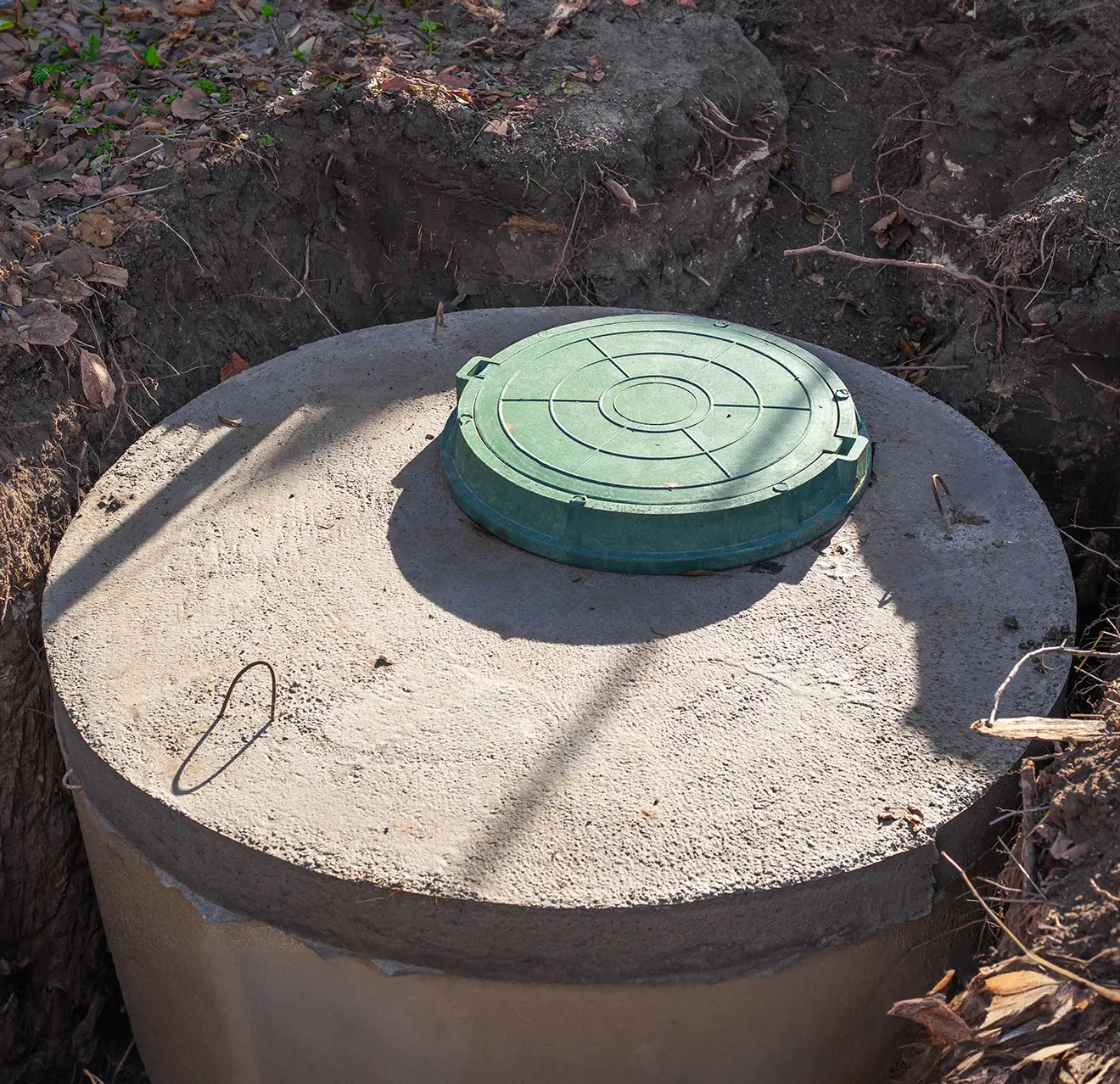
Once permits are in hand, excavation begins. The tank is set in place, the inlet and outlet pipes are connected to your home's main drainage line, and the drain field is laid out to spec. If a pump chamber is part of the design, it is installed and wired at this stage as well.
After installation, the system is inspected, backfilled, and tested. We don't leave until everything is confirmed to be working correctly. Final documentation is filed with the authority, and you'll have a record of the installation for your property file.
From start to finish, most residential installations in Kamloops are completed within a few days of excavation. The permit timeline varies and is typically the longest part.