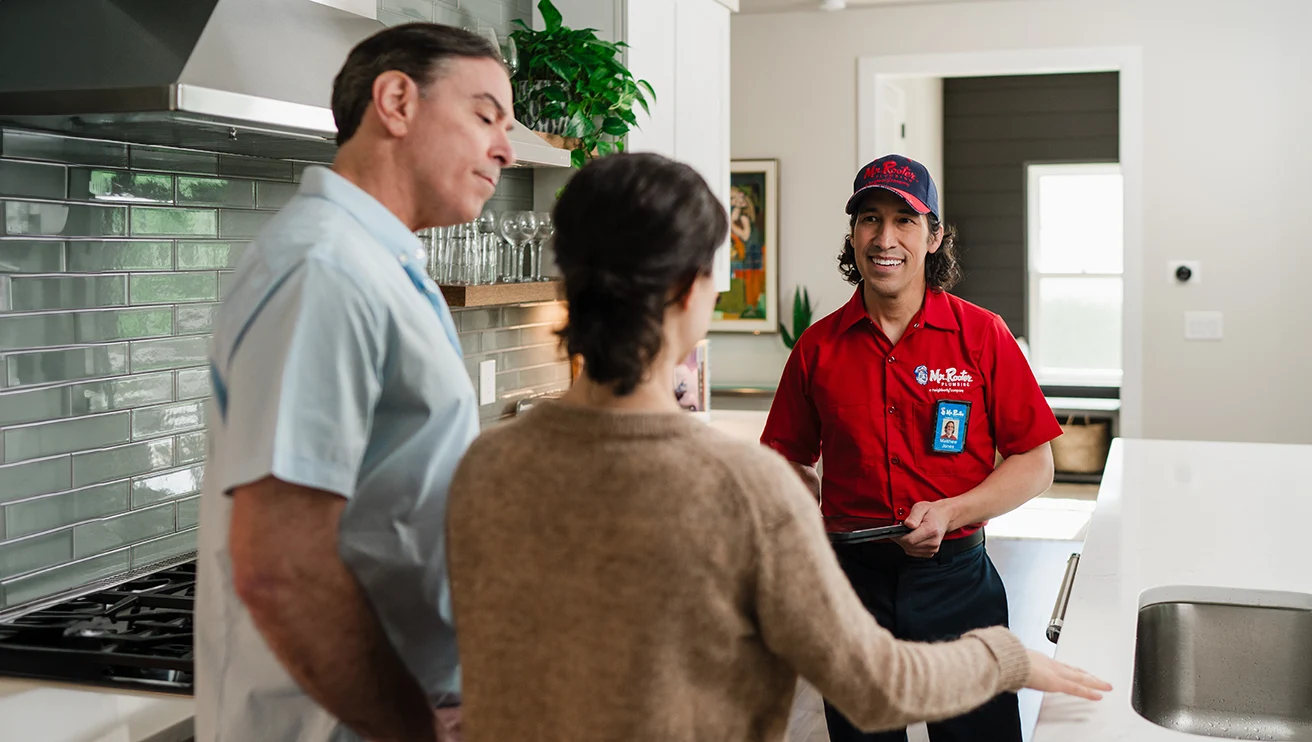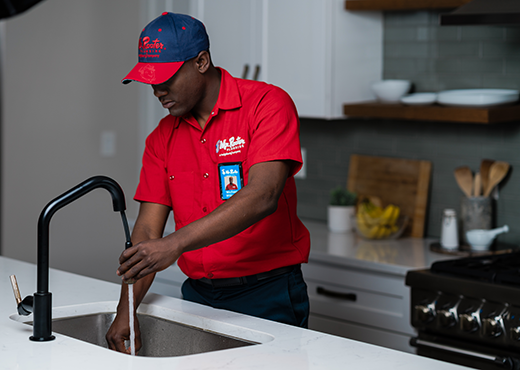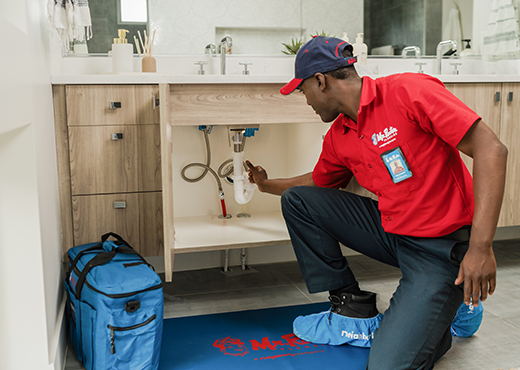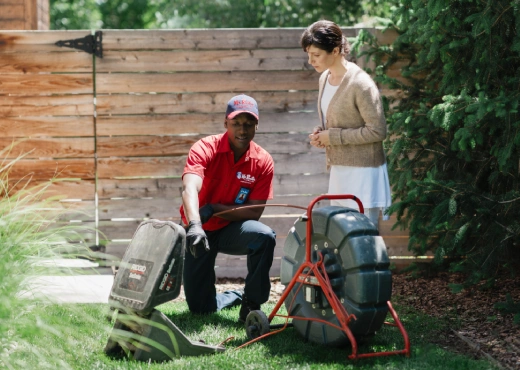
Finding the leak is step one. Repairing it correctly, with the right materials and method for your specific pipe type, is what determines whether the repair holds.
For supply line leaks in accessible areas, we carry the parts and fittings to complete most repairs in a single visit. Copper repairs use soldered joints or push-fit fittings, depending on the location and access. For polybutylene pipe, the standard recommendation is full replacement rather than spot repair, because the material that failed in one spot will fail elsewhere as it continues to degrade. We replace poly-B with copper or cross-linked polyethylene (PEX), both of which handle Waterloo's hard water conditions without the same long-term risk.
Slab leaks are a different challenge. Before anything is cut or dug, we confirm the leak location precisely using acoustic listening equipment so the access point is targeted, not exploratory. Depending on the pipe material and condition, your plumber may recommend spot repair, rerouting the affected line through the wall rather than under the slab, or pipe lining that places a structural sleeve inside the existing pipe. Each option has different labour, disruption, and long-term implications, and we walk you through those before work starts.
Water heater repair and replacement are other areas where leaks frequently occur in Waterloo homes. Scale accumulation from hard water accelerates corrosion at the base of the tank, around the anode rod port, and at the T&P relief valve seat. A small weep at the relief valve is sometimes a pressure issue rather than a failing valve, but a wet floor around the base of the tank almost always means the tank wall has begun to corrode through. At that point, repair is not the right call. We carry the documentation and equipment to replace conventional tank units and walk you through your options on-site.
Burst pipe repair is one of our most common emergency calls during Waterloo winters. January and February temperatures regularly drop to -15°C or lower, and supply lines running through uninsulated exterior walls or across garage spaces are the first to freeze. A frozen pipe does not always crack immediately; the damage often happens when the ice thaws and the pressure surge hits the weakened section. If you have a burst pipe, your first step is to find your main shutoff and close it, then call us. We carry the parts for most pipe materials on the truck and can complete the repair and restore your water on the same visit.