

Your pipes deal with a combination of stressors that most Ontario cities don't see at the same intensity. Waterloo's groundwater is very hard, and that mineral load builds scale inside your pipes, water heater, and fixtures year after year. A tank with 3 to 5 mm of scale inside works 20 to 30 percent harder to heat the same amount of water. That's why your 8-year-old unit may already struggle to keep up through a Waterloo winter, when cold groundwater significantly lowers the incoming temperature before it even reaches your tank.
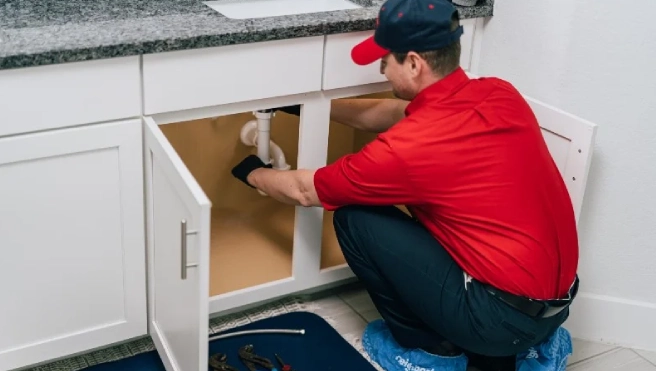
January and February are when our frozen pipes spike. The homes at greatest risk have exterior wall plumbing, unheated crawlspaces, or hose bibs left connected through autumn. When temperatures stay below -15°C for more than 48 hours, calls about no water to the bathroom or laundry room start coming in fast. Once a pipe freezes, you're racing the thaw: the pipe may have already cracked with ice holding the leak back. During cold snaps, leave cabinet doors open on exterior walls to let warm air circulate around the pipes. If you see frost forming on an interior wall, call before the pipe fails.
Older Waterloo homes carry additional plumbing history. Galvanized steel supply lines in pre-1960 homes corrode from the inside out and are typically due for replacement by age 50 to 60. Copper from the 1960s through the 1980s handles hard water better but can develop pinhole leaks at fittings. For drain lines, cast iron was standard until the 1970s, and we see significant rust-through and root intrusion in those lines once they reach 40 to 50 years old. Knowing what's in your walls helps us recommend the right repair at the right time.