
When something goes wrong with your plumbing, panic sets in fast. I’ve walked into thousands of homes where water is spreading, drains are backing up, and homeowners just want it to stop. After 18 years of handling plumbing calls, I know the fastest way to a real solution isn’t tools, it’s diagnosis. In this article, I’ll explain exactly what I check first and why it matters.
Why Diagnosis Matters Before Repairs
Jumping straight into a plumbing repair without diagnosis is one of the fastest ways to end up with repeat failures, higher long-term costs, and unnecessary disruption. Over the years, I’ve seen countless plumbing issues that looked small on the surface but were actually signs of a much larger problem.
As I often tell customers, “There’s very rarely one solution to fix one problem.” A slow drain could be a grease buildup, an aging cast iron pipe, a tree root intrusion, or even a compromised sewer line. That’s why treating the wrong issue doesn’t solve the problem and delays it more.
However, when we take the time to properly diagnose what’s going on, it allows our plumbers to eliminate guesswork, reduce the risk of property damage, and make sure the repair actually addresses the root cause. Most importantly, it helps you understand the problem before making any decisions.
What Our Plumbers Check First When We Arrive
Every plumbing call we respond to in Ottawa follows a consistent, professional process designed to protect your home and give you clarity from the start. Rather than jumping straight into repairs, our plumbers take time to understand the situation, assess potential risks, and confirm what’s actually causing the problem.
Step 1: Understand the Issue
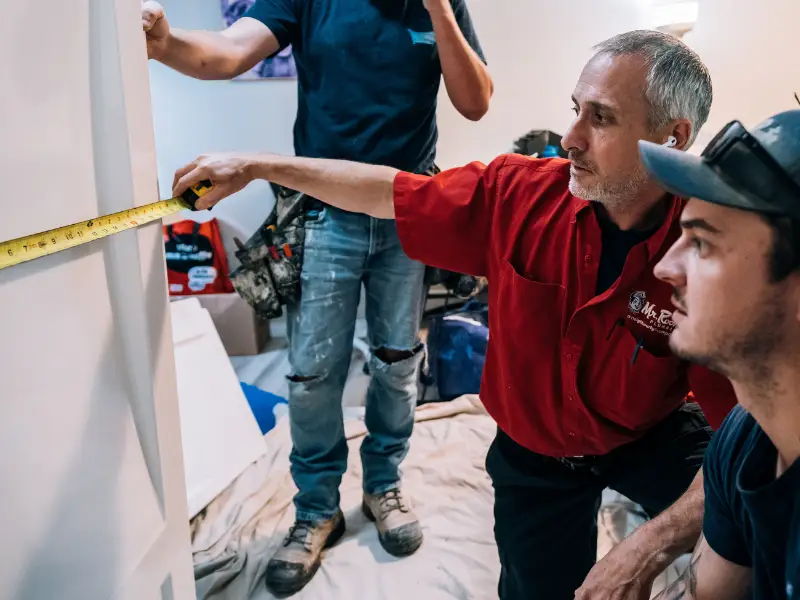
The first step is understanding the issue from your perspective. Even when the description isn’t technical, how you explain the problem often provides valuable clues.
We’ll ask how the issue started, how often it happens, and which fixtures or areas of your home are affected. This helps us determine whether the problem is isolated or part of a larger system-wide concern.
Step 2: Test the System
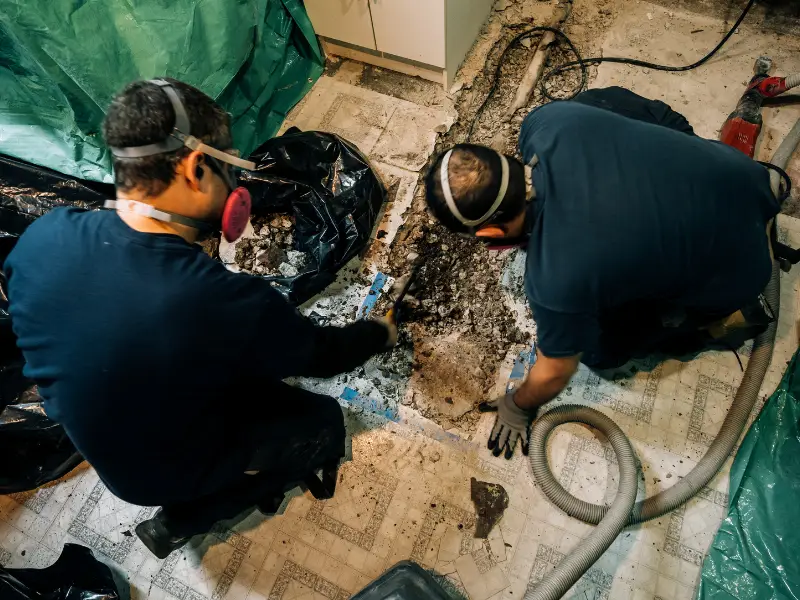
Next comes the testing and process of elimination. Determining whether the reported issue is the actual problem or just a symptom requires checking systems individually.
For example, what appears to be a simple floor drain backup often points to a main sewer issue instead. Testing helps our plumbers confirm the cause instead of relying on assumptions.
Step 3: Check Age and Materials
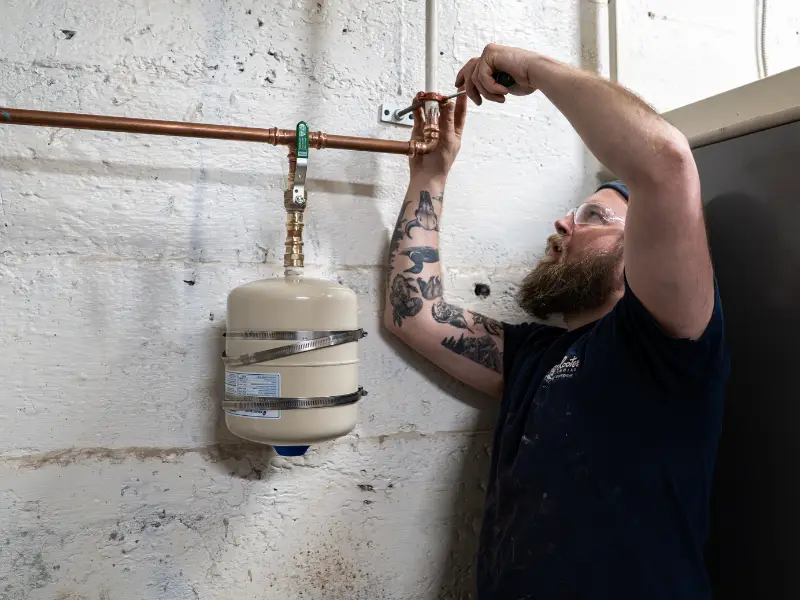
Once testing begins, we assess the age, materials, and overall condition of your plumbing system. Homes in Ottawa built in different decades tend to use predictable materials such as cast iron, steel, copper, or plastic - each with its own failure patterns.
This is where tools like camera inspections become essential, because they allow us to identify corrosion, cracks, bellies, or root intrusion that you can’t see from the outside.
Step 4: Assess Safety Risks
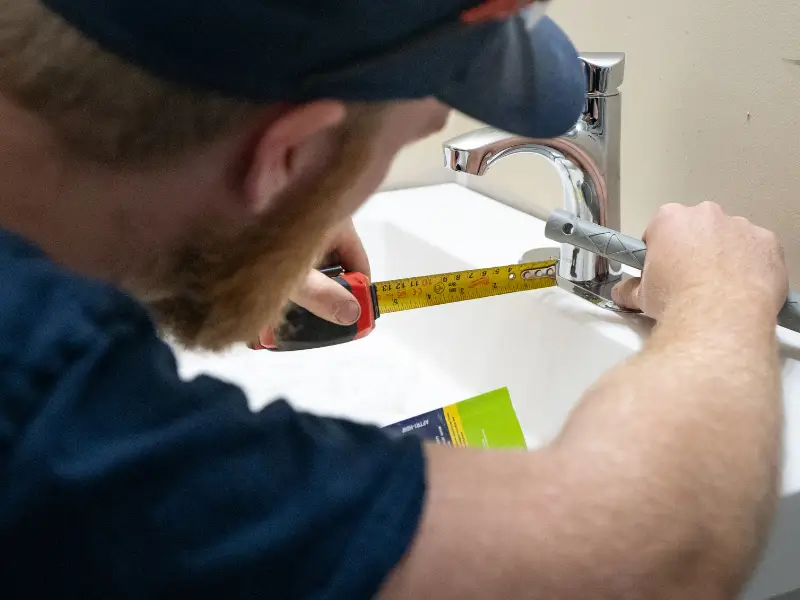
Before any solutions are discussed, we evaluate safety and property risks. This includes flood risks, structural concerns, and potential hazards like asbestos or other materials commonly found in older homes. Only after these checks do we move forward with repair options and pricing.
What to Ask During a Plumbing Diagnostic
A proper diagnosis should never be a one-way conversation. Asking the right questions helps you understand the situation, avoid rushed decisions, and feel confident about your options.
Here are a few questions I always encourage you to ask:
- Is this problem the root cause or just a symptom?
- What testing did you perform to confirm the issue?
- Are there multiple ways to solve this problem?
- What happens if I delay or choose a short-term fix?
Jeremy La Salle, one of our professional plumbers, emphasizes that education is key, explaining that homeowners should be “painted a clear picture” so they can make an informed decision instead of choosing based on pressure or urgency.
How Pricing Is Introduced After Diagnosis
Pricing is never discussed blindly. Once the issue is clearly identified, our plumbers present good, better, and best options whenever possible. Each option includes a clear explanation of what’s involved, the expected lifespan of the solution, and the long-term implications.
From my 18 years of experience, pricing works best when you understand the consequences of each choice, not just the dollar amount. This approach prevents surprises and helps you choose a solution you’re truly comfortable with.
From Diagnosis to Cost Estimates
Once the diagnostic phase is complete, you’re in a much better position to understand cost. A clear diagnosis replaces vague estimates with realistic expectations.
Factors That Affect Plumbing Repair Costs
- Age and material of existing pipes
- Severity and location of the issue
- Access requirements (walls, floors, excavation)
- Safety or flood-control measures needed
Understanding these factors helps explain why two plumbing problems that look similar online can have very different costs in real life.
Stop Assuming, Start Diagnosing
What looks like a minor inconvenience today can easily turn into repeat failures, water damage, or higher repair costs when the underlying cause is ignored. Taking the time to diagnose the problem first is what turns short-term relief into a lasting solution.
At Mr. Rooter Plumbing of Ottawa, every service call starts with careful diagnosis, clear communication, and solutions designed to last. From minor leaks to complex sewer issues, our licensed plumbers focus on protecting your home and giving you confidence in every decision.
Get Your Plumbing Cost Estimate Today
Curious about what your plumbing repair or installation might cost? Try our free online pricing estimator today - it’s fast, easy, and gives you a ballpark quote in just seconds.
And if you’re ready to book your service, call (613) 746-0000. We’re ready to handle everything from emergency leak repairs to routine maintenance.