The water’s climbing toward the rim, and you’ve got about ten seconds to decide what to do. Here’s the order that matters. Stop the water first, clear the clog second, and figure out why it happened third, because a toilet backing up in your Newmarket home can be a one-time clog or the first sign of a main sewer line problem. Our Newmarket plumber from Mr. Rooter Plumbing handles both, and this guide walks you through what to do in the next five minutes and what to watch for after.
Common Causes for Toilet Back-Ups in Newmarket
Most toilet clogs come down to what goes into the bowl. Some come from the toilet itself or the pipes past it.
- Too much paper in one flush: Thick, quilted toilet paper takes longer to break down, and a large wad lodges in the trap.
- Wipes and non-flushable items: “Flushable” wipes, paper towels, cotton swabs, dental floss, and feminine hygiene products don’t break apart in the pipe. They snag and build up. A child’s toy in the trap is another regular find.
- A worn or underperforming toilet: Early low-flow toilets from the 1990s often flush weakly. On older toilets, the glaze inside the trap wears rough over time and catches paper. Mineral buildup in the rim jets and a low tank water level also weaken the flush.
- A blocked or frosted vent stack: Your plumbing needs air from the roof vent to drain properly. When the vent is blocked, the toilet gurgles and drains slowly.
- Main sewer line problems: Tree roots, a sagging pipe, or a cracked lateral can back up the whole house, and the toilet often shows it first because it’s one of the lowest, largest drains.
Newmarket and York Region Factors That Cause Repeat Backups
Local conditions play a bigger role in recurring backups than most people expect.
If you live in one of Newmarket’s older neighborhoods, you might have mature trees and older clay or cast iron sewer pipes. Tree roots can get into the joints of these pipes and catch toilet paper until the line gets blocked. If your toilet backs up every few months, tree roots could be the cause.
Who owns the pipe? In Newmarket, the sewer lateral leaving your home is the homeowner’s responsibility, while the portion on Town property belongs to the Town. If you suspect a sewer backup, the Town of Newmarket asks you to call 905.895.5193. The Town also requires homeowners to contact Ontario One Call at 1-800-400-2255 for a Sewer Safety Inspection, which costs you nothing. That inspection checks whether a utility line was accidentally bored through your sewer pipe before anyone runs a cutting tool down it.
Deep winter cold. During hard York Region cold snaps, frost builds up inside roof vent stacks and restricts airflow. You’ll hear gurgling and notice slower flushes until the vent clears. Shallow or poorly insulated drain lines in garages and crawl spaces also freeze; our team handles frozen pipes all winter.
Septic systems outside town. Newmarket runs on municipal sewer, but many rural properties nearby, including parts of East Gwillimbury and Uxbridge, use private septic systems. A toilet backing up on a septic property often means the tank is full or the outlet baffle is blocked. That calls for septic system repairs or pumping, not plunging.
Step 0: Stop the Overflow Before You Do Anything Else
First, look behind your toilet near the floor for the small valve on the supply line. Turn it clockwise to stop the water from refilling the tank. If the valve is stuck, don’t force it. Instead, lift the tank lid and press the rubber flapper down over the drain hole. Then, lift the float arm or float cup to shut off the fill valve. This gives you time to work without causing any damage.
How to Fix a Backed-Up Toilet in 5 Steps
1. Check whether it’s one toilet or the whole house
Run the bathroom sink for a few seconds and watch the toilet bowl and the tub. If only the toilet is slow, the clog sits in the toilet’s trap or the short pipe right below it. Water rising in the tub or shower when you flush, or a basement floor drain backing up, points to a blockage further down the line. That’s a main line problem, and the steps below won’t fix it.
2. Stop flushing
One more flush sends a full tank of water into a pipe that already can’t move it. Leave the handle alone until the bowl drains.
3. Plunge with a flange plunger
A regular flat plunger won’t work well in a toilet. Use a flange plunger with a soft rubber sleeve that folds out from the bottom. Make sure there’s enough water to cover the cup. Press down slowly at first to push out the air, then use firm, quick strokes for 15 to 20 pumps without breaking the seal. Pull the plunger off and check the water level. If it goes down, flush once with the lid up to see if the clog is gone.
4. Try a closet auger
If plunging doesn’t clear the clog, try a closet auger (also called a toilet auger). This tool has a rubber or vinyl sleeve to protect your toilet. Don’t use a regular sink snake, since it can scratch the bowl. Feed the auger cable into the drain, turn it clockwise as you push, and keep turning as you pull it back out. Most closet augers reach three to six feet, which is enough for the toilet’s built-in trap.
5. Use dish soap and hot water for a soft clog
If your toilet is draining slowly because of a soft paper clog, pour a good amount of dish soap into the bowl. Then, add a bucket of hot tap water from waist height. Don’t use boiling water, since it can crack the porcelain. Wait 20 to 30 minutes. The soap helps loosen the clog, and the water’s weight pushes it through.
Pro Tip: Skip chemical drain cleaners entirely. They sit in the bowl, generate heat, and splash on whoever plunges next.
One Toilet or the Whole House? Signs of a Main Sewer Line Problem
A single clogged toilet is a nuisance. A main line blockage is a different job.
Watch for gurgling in the toilet when the washing machine drains, water rising in the tub when you flush, sewage smell from a floor drain, or several fixtures slowing down at once. Those signs mean the blockage sits in the main drain or the sewer lateral that carries waste out to the street. Plunging harder won’t reach it, and a toilet auger can’t get that far. These calls need professional drain cleaning with the right equipment, and usually a sewer camera inspection to see what’s actually in the line.
When to Call a Plumber in Newmarket
Call a licensed plumber when the plunger and closet auger don’t clear it, when the same toilet clogs again within a few weeks, or when more than one fixture is affected. Same goes for sewage smell, gurgling drains, or water seeping around the toilet base. A leak at the base usually means a failed wax ring, and water soaking into the subfloor rots it quietly from below. We handle toilet base leak repair as its own job.
Sewage on the floor is a health hazard. Keep kids and pets out of the room, and stop using water anywhere in the house until a plumber inspects it.
How a Plumber Fixes a Backed-Up Toilet
For a clog in the toilet, we clear it with professional drain snaking equipment, or pull the toilet to remove whatever’s lodged in the trap. If the toilet itself is the problem, we’ll talk through toilet repair or a toilet replacement with a modern high-efficiency model. If the line is the issue, a camera shows exactly where the roots, sag, or break sits before we recommend anything.
Related issues we see and fix include:
- Sewer backup repair (often followed by a backwater valve installation)
- Bathtub clogs
- Floor drain clogs
Trust Mr. Rooter Plumbing of Newmarket to Solve Your Clogged Toilet Issues!
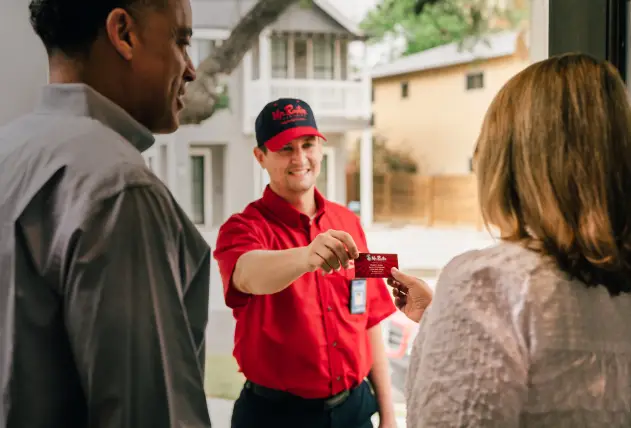
When you call us, you’ll always speak to a real person, day or night. Your plumber will arrive on time, wear shoe covers, protect your floors, and check if the problem is with your toilet or the pipes beyond it.
You see the upfront, flat-rate price before any work starts. There’s no overtime charge for nights, weekends, or holidays. Every job is backed by the Neighbourly Done Right Promise®.
Call Mr. Rooter Plumbing of Newmarket. We clear clogged toilets, run camera inspections on recurring backups, repair and replace sewer lines, and install new toilets across Newmarket, Aurora, and surrounding York Region communities. If roots or a broken lateral are behind the problem, we also handle sewer line repair and replacement. Contact us anytime, or request an appointment online.