Plumbing problems have a way of putting you on the spot. One minute, it’s a small leak or slow drain, and the next, you’re hearing recommendations that sound expensive, extensive, or completely unexpected.
Over my 18 years of plumbing experience across Ottawa, I’ve seen the same moment of doubt play out in thousands of homes. A small issue leads to a larger recommendation, leaving you to weigh urgency against uncertainty.
That pause isn’t resistance. It’s the need to understand whether the work protects your home or simply feels excessive. Below, I’ll break down how plumbers determine when a recommendation is necessary, what factors separate prevention from overkill, and how you can make confident decisions without feeling pressured.
Why Plumbing Recommendations Matter
Plumbing recommendations are rarely made in isolation. What looks like a single issue often connects to the age, condition, and layout of the entire system. Ignoring a necessary repair can lead to water damage, mould growth, recurring failures, or emergency breakdowns that cost far more down the road. On the other hand, approving work you don’t fully understand can leave you feeling uneasy or regretful afterward.
That’s why our goal isn’t to say “yes” or “no” immediately, but for you to understand why a recommendation exists and what happens if you delay, modify, or decline it. Because when you are informed properly, your decision becomes clearer and far less stressful.
Signs Plumbing Recommendation May Be Overkill
Not every major plumbing recommendation is excessive, but certain situations naturally raise concerns. When the scope of work feels larger than expected, it’s normal to pause and reassess, especially if the issue appears minor on the surface.
1. Scope Outpaces Explanation
A recommendation can feel excessive when the scope of work sounds large, but the explanation behind it feels thin or rushed. If a plumber can’t clearly explain how the repair connects to the issue you’re seeing, it’s reasonable to pause and ask for clarity.
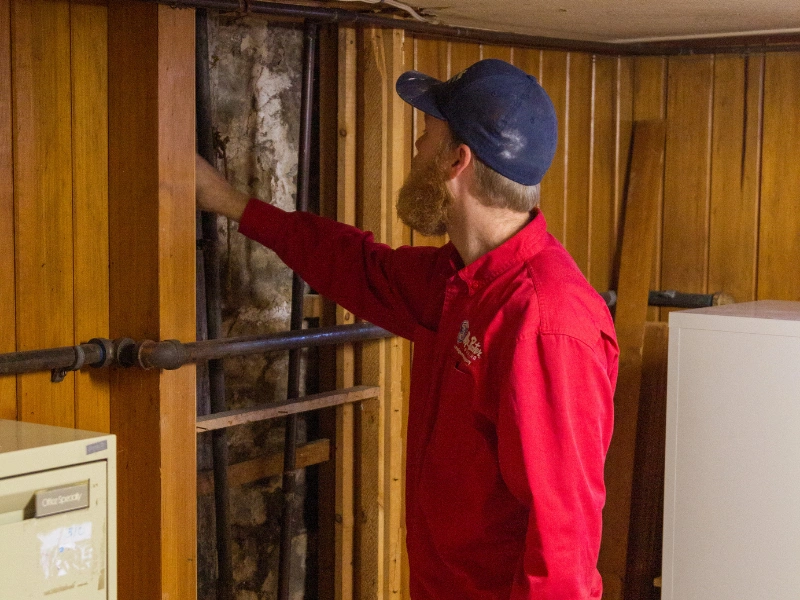
As Ryan Sherrer, one of our licensed plumbers, explains, “Sometimes what seems like a little problem might require a large solution.” A small leak may be the symptom of failing pipes hidden behind walls or under floors, where surface-level fixes won’t solve the root issue.
2. “It’s Always Worked” Logic
In older homes, plumbing that has worked for decades can make major recommendations feel unnecessary. When nothing has gone wrong before, it’s natural to question why changes are suddenly needed.
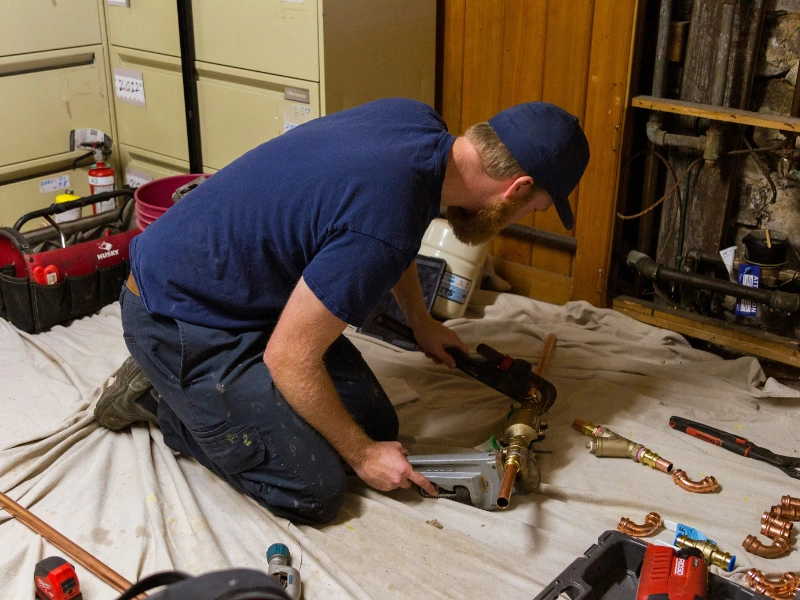
Jeremy La Salle, a seasoned plumber, sees this reaction most of the time. “I’ve been living with this for 20 years, and it’s been fine,” homeowners often say. Once work begins, however, plumbing must meet current codes, and older systems may require broader updates than expected.
3. Process Not Clearly Explained
Even necessary plumbing work can feel overkill when the process isn’t clearly explained. If you haven’t walked through what’s being done, why it’s required, and what the expected outcome is, your uncertainty naturally takes over.

Clear communication helps close that gap. When plumbers explain the steps involved and what those steps are meant to accomplish, you can see the value behind the recommendation instead of feeling pressured by it.
When Plumbing Recommendations Are Likely Necessary
When plumbers suggest more extensive work, it’s usually because the alternative is a temporary fix that won’t hold up. In these cases, the recommendation is about durability and reliability, not excess.
1. Aging Components
Age is one of the biggest factors plumbers consider when making recommendations. Older fixtures, piping, and components may still function, but they’re often nearing the end of their expected lifespan and becoming less reliable.
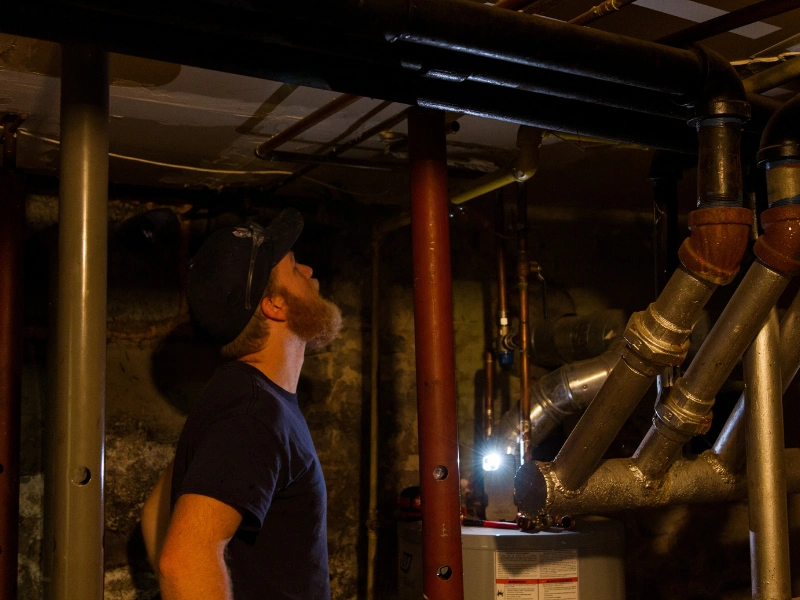
At that stage, even small issues are more likely to escalate quickly. What could have been a minor repair earlier can turn into a larger failure once materials weaken, connections loosen, or hidden wear finally catches up.
2. Poor Condition
The condition and overall quality of your plumbing components matter just as much as age. Corroded, outdated, or frequently failing parts tend to cause recurring problems instead of onetime issues.
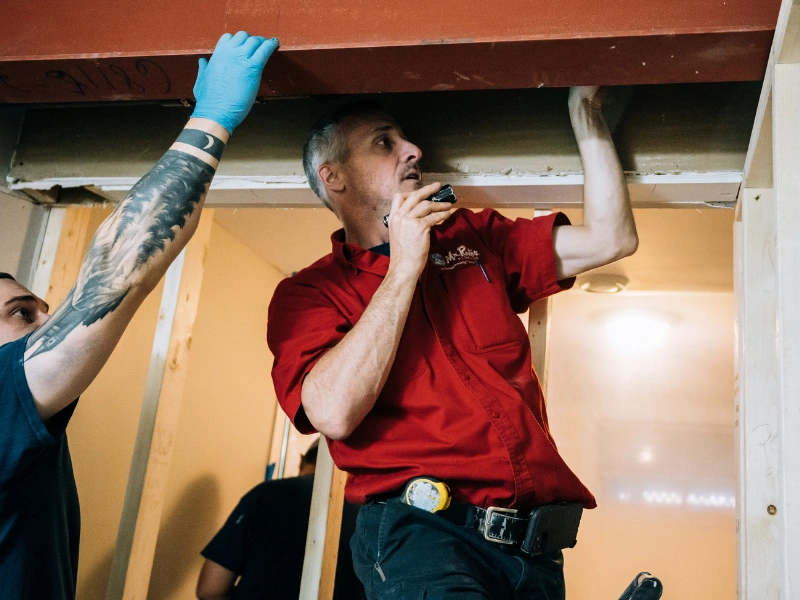
When repairs only provide short-term relief, homeowners often find themselves dealing with the same problem again and again. Over time, repeated fixes add cost and frustration without improving the system's reliability, making replacement the more practical option.
3. Repair vs. Replacement Cost
Cost comparison is another key factor when evaluating plumbing recommendations. In some situations, repairing an older component can cost nearly as much as replacing it entirely, especially once labor and return visits are factored in.

When the price difference is small, replacement usually provides better long-term value. It reduces the risk of future breakdowns, lowers your likelihood of repeat service calls, and offers you a greater peace of mind moving forward.
How Our Plumbers Handle Plumbing Recommendations
At Mr. Rooter Plumbing of Ottawa, recommendations are built on diagnosis and not based on assumptions. Our plumbers take time to explain what they’re seeing, what’s causing the issue, and what your realistic options are. While we use flat-rate pricing rather than itemized cost breakdowns, we never skip the explanation.
Our plumbers walk you through the full scope of the work, including what will be done, how long it will take, and what to expect before, during, and after service. This approach avoids confusion while keeping the focus on outcomes rather than line-by-line costs.
When replacement is recommended, it’s typically driven by age, condition, code requirements, and long-term reliability - not upselling. As Greg Hughes, one of our seasoned plumbers, puts it, “Tell them what they need to hear, not what they want to hear.” And that honesty helps build trust, even when the recommendation is difficult.
Plumbing Cost Explained
Plumbing costs can feel confusing because no two homes or plumbing problems are the same. What looks like a simple issue on the surface can be influenced by what’s happening behind walls, under floors, or within aging systems.
Factors that Affect Final Costs:
- Accessibility: Hard-to-reach pipes require more labour.
- Extent of Damage: Small issues can expose broader deterioration.
- Materials Used: Quality components improve durability and performance.
- Safety Measures: Dust control, cleanup, and protection add value and cost.
Stop Guessing, Start Deciding
Plumbing decisions shouldn’t feel like gambling. When you understand the reason behind a recommendation, the difference between overkill and necessity becomes clear, allowing you to move forward with confidence instead of second-guessing.
At Mr. Rooter Plumbing of Ottawa, we focus on education, honest diagnostics, and solutions that make sense for your home. Our goal is to help you understand what’s happening with your plumbing, why a recommendation is being made, and what your options are, so you can make informed decisions that feel right for your space, your timeline, and your budget.
Get Your Estimate and Protect Your Plumbing Today
Curious about what your plumbing repair or installation might cost? Try our free online pricing estimator today - it gives you a ballpark quote in just seconds.
And if you’re ready to book your service, call (613) 746-0000. We’re ready to handle everything from emergency leak repairs to routine maintenance.