Skip to Main Content Skip to Footer Content
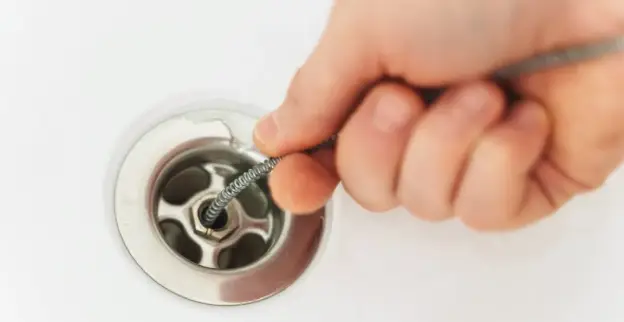
A plumber using a drain snake to clear out a drain at the bottom of a sink during an appointment for drain cleaning in Calgary.

Drain Cleaning Calgary

A slow shower drain rarely stays a shower problem for long. Once one line backs up, the rest of the stack usually follows within a week or two. Mr. Rooter Plumbing of Calgary clears clogged drains, runs camera inspections on sewer lines, and fixes the reason the clog happened in the first place. As the Calgary plumber homeowners call when a drain won't clear on its own, we're on site seven days a week.

Let Us Call You

Mr. Rooter Plumbing, a Neighbourly company on its own behalf and on behalf of its affiliates and franchisees requests your consent to send promotional and other electronic messages to you concerning products and services they believe are of interest to you. By checking this box, you agree to receive these messages. You can unsubscribe at any time.

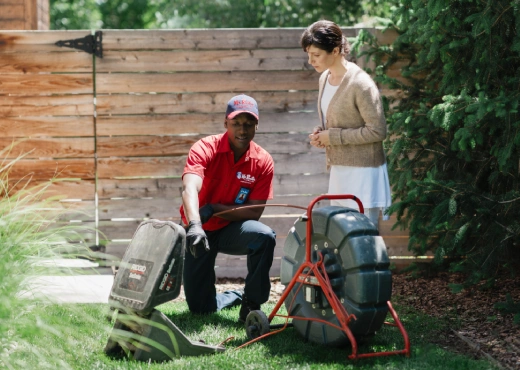
  • We don't guess at what's clogging a drain. Before any cable or jetter goes into the line, we run a sewer camera through it to see exactly what we're dealing with. Older Calgary homes in neighborhoods like Elboya and Altadore often still have clay or cast iron sewer lines, and those pipes crack, shift, and let tree roots in over decades. A camera inspection shows us whether we're looking at a simple grease clog, a scale buildup from Calgary's hard water, or a structural problem that cabling alone won't fix. It also means we're not opening up a wall or digging up a yard based on a guess. We record the footage so you can see the same thing we're seeing on the screen, and we'll walk you through what it means before we touch a tool. A slow kitchen drain might look like a grease clog from the outside, but the camera sometimes shows a collapsed section of pipe under the slab instead, and that changes the whole plan. Skipping this step is how a drain problem ends up treated at the symptom level for years instead of solved at the source, with the same call coming back every spring.

  • Once we know what's in the line, we pick the tool that actually clears it. A motorized cable with the right cutting head handles most grease clogs, hair mats, and soft blockages in a bathroom or kitchen line. For heavier buildup, especially scale and grease packed along the walls of an older cast iron line, we switch to hydro jetting, which uses high-pressure water to scour the full diameter of the pipe instead of just punching a hole through the center of the clog. That difference matters. A cabled line often clogs again within months because the walls of the pipe are still coated. A jetted line comes out close to bare pipe. We choose the method based on what the camera showed us and the age and material of the line, not by default. A cast iron stack in a 1960s Acadia bungalow needs a different approach than a PVC line in a Chestermere build from last year, even if both are showing the exact same symptom at the fixture. Most jobs in Calgary's older neighborhoods end up needing jetting at least once to clear years of buildup properly, and after that, a routine cable is usually all it takes to keep the line clear.

  • Clearing the clog is the first job. Figuring out why it happened is the one that actually saves you money. Tree roots are the most common culprit we find in mature neighborhoods across Calgary, particularly Glamorgan and Southwest Calgary, where decades-old trees have had plenty of time to find their way into aging clay pipe joints. Bellied pipe sections, where the line has settled and created a low spot that collects waste, are another repeat offender in homes built before the 1980s. If the camera shows a structural issue behind the clog, we'll flag it and explain the repair options in plain terms: relining, trenchless repair, or a traditional dig, depending on what the line actually needs. Sometimes the fix is smaller than expected, like a single displaced joint letting roots in rather than a full section of failed pipe. Other times it's the whole run that's had it, and cabling around the same spot every year stops making financial sense. A drain that clears today but clogs every few months again usually has a cause the cable never touched, and that's the pattern we're actually trying to catch.

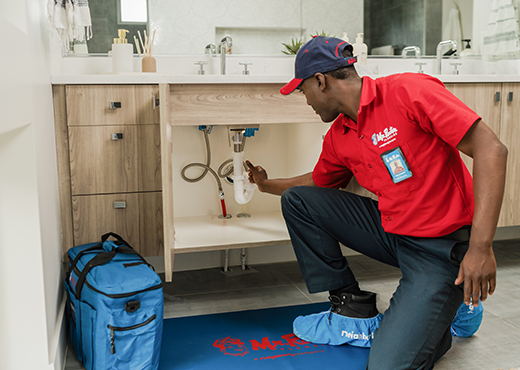
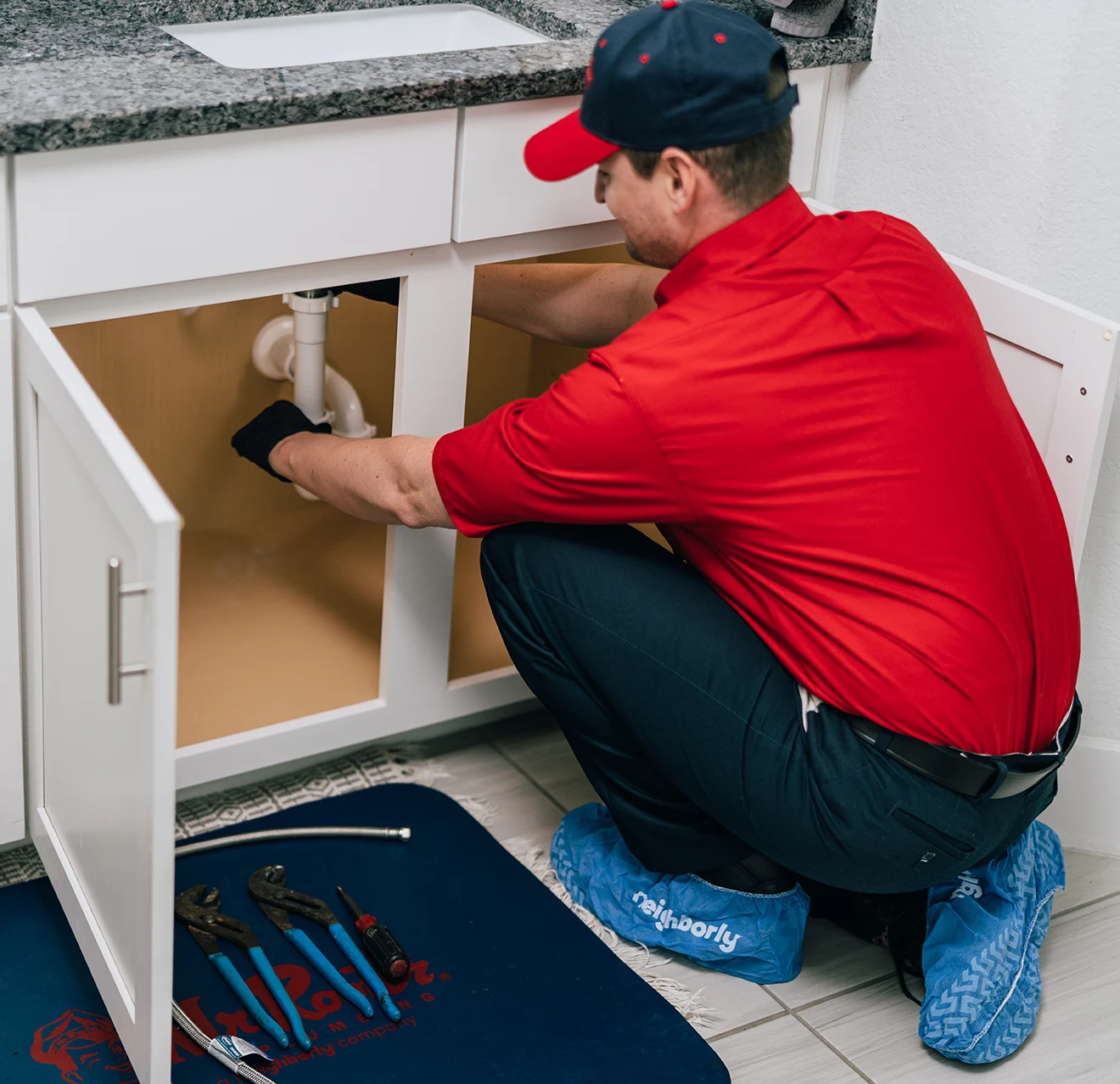
Mr. Rooter technician working on cleaning a drain underneath a sink vanity.

The Drain Problems We See Most Across Calgary

Calgary's mix of old and new construction means we see two very different sets of drain problems depending on which part of the city we're in. In character neighborhoods like Elboya, Altadore, and Eagle Ridge, the sewer lines are often original clay or cast iron, sometimes 60 to 80 years old, and root intrusion is the most common call we get. Mature elm and spruce trees look great in a front yard, but their roots follow the moisture coming off an old clay joint straight into the pipe.

In newer areas and communities like Chestermere and Airdrie, the pipe material is usually PVC, which doesn't crack the same way, but grease buildup, flushed wipes, and construction debris left over from the original build still cause slow drains and backups. Freeze-thaw cycles add another layer specific to this region. When a hard Chinook melt follows a deep freeze, the ground shifts, and a line that was fine in December can develop a new low spot by March. We've cleared plenty of drains in Calgary that worked fine the summer before and started backing up the same week the ground thawed.

None of this means every clog is a sign of a bigger problem. Most calls are still a simple hair clog or a grease line that needs a routine clean. But knowing which neighborhoods tend toward root intrusion and which tend toward sediment and debris helps us bring the right equipment on the first visit instead of the second.
Why Calgary Homeowners Call Mr. Rooter Plumbing for Drain Cleaning

A cabled drain that clogs again within eight weeks isn't a true solution; it's just a temporary fix. We perform a camera inspection before clearing the drain, so our plumber understands whether cabling will suffice or if the line requires jetting to effectively resolve the issue. This initial step is why we don't return to the same home every few months. Calgary's weather doesn't wait for business hours, and neither do backed-up drains, so we're available seven days a week. You can book a Saturday morning slot without having to wait until Monday for a plumber to arrive.

Every service visit comes with a written estimate before any work begins, so you'll know what the job entails before we start. Since we operate throughout Calgary—serving areas from Forest Lawn to Edgemont to Acadia—we're familiar with which neighborhoods typically have root problems and which have issues with sediment. This means we arrive with the right equipment on our first visit. That kind of local knowledge is invaluable and makes the difference between solving the issue on the first visit and needing a second visit for the same drain a month later.

FAQs About Drain Cleaning for Calgary Homeowners

  • Water that drains slower every week, not all at once, is usually the first sign. A gurgling sound from a nearby drain when you run the washing machine or flush a toilet means air is trying to escape through a partial blockage somewhere in the line. A sour smell that comes and goes, especially near a floor drain in the basement, often points to organic buildup rather than a one-time clog. If plunging clears it for a day and it's back by the weekend, the problem is further down the line than a plunger can reach, and that's when cabling or a camera inspection makes more sense than trying the same fix again.

Service You Can Trust!

Let us know how we can help you today.

Let Us Call You

Mr. Rooter Plumbing, a Neighbourly company on its own behalf and on behalf of its affiliates and franchisees requests your consent to send promotional and other electronic messages to you concerning products and services they believe are of interest to you. By checking this box, you agree to receive these messages. You can unsubscribe at any time.